The Rise of Cannabis Concentrates in Canada: A Market in Full Bloom
The Canadian cannabis market has matured significantly since legalization, and one of the most exciting developments has been the explosion of cannabis concentrates. For enthusiasts and newcomers alike, products like hash, live resin, shatter, and budder offer a depth of experience that dried flower alone cannot match. As someone who has watched this space evolve, I can tell you that the shift toward concentrates is not just a trend, it is a reflection of a more sophisticated consumer base.
Walking into a dispensary in British Columbia today, you are just as likely to see a showcase of translucent amber shatter or creamy budder as you are jars of pre-rolled joints. This is a far cry from the days when the only concentrate options were low-grade hash or homemade solvent extracts. The legal framework established by the Cannabis Act and enforced by Health Canada has allowed producers to experiment with clean, reproducible extraction methods. The result is a product category that now commands serious attention from connoisseurs and casual users alike. cannabis canada
What Makes Cannabis Concentrates Different?
Concentrates are exactly what the name implies: the essential oils and cannabinoids of the cannabis plant, separated from the plant matter and concentrated into a potent, often aromatic substance. The appeal is twofold: higher potency and a more pronounced flavor profile. When you dab a live resin or a nug run hash, you are tasting the plant's terpenes in a way that combustion tends to mask. Terpenes are the aromatic compounds that give each strain its unique scent and character, and concentrates preserve them far better than smoking a joint ever could.
Potency is the other obvious draw. A single dab of high-quality live resin can deliver THC levels of 70 percent or more, compared to the 15 to 25 percent typical of dried flower. For experienced users, this means a more efficient and satisfying experience. For the uninitiated, it demands respect and a slower pace. The Canadian cannabis market has responded by offering concentrates at a range of potencies and price points, making them accessible to everyone from micro-dosers to seasoned dabbers.
The Major Players: Hash, Live Resin, Shatter, and Budder
If you have spent any time in an online cannabis store like Kush Station, you have likely seen these four categories dominate the menu. Each has its own production method, texture, and ideal use case.
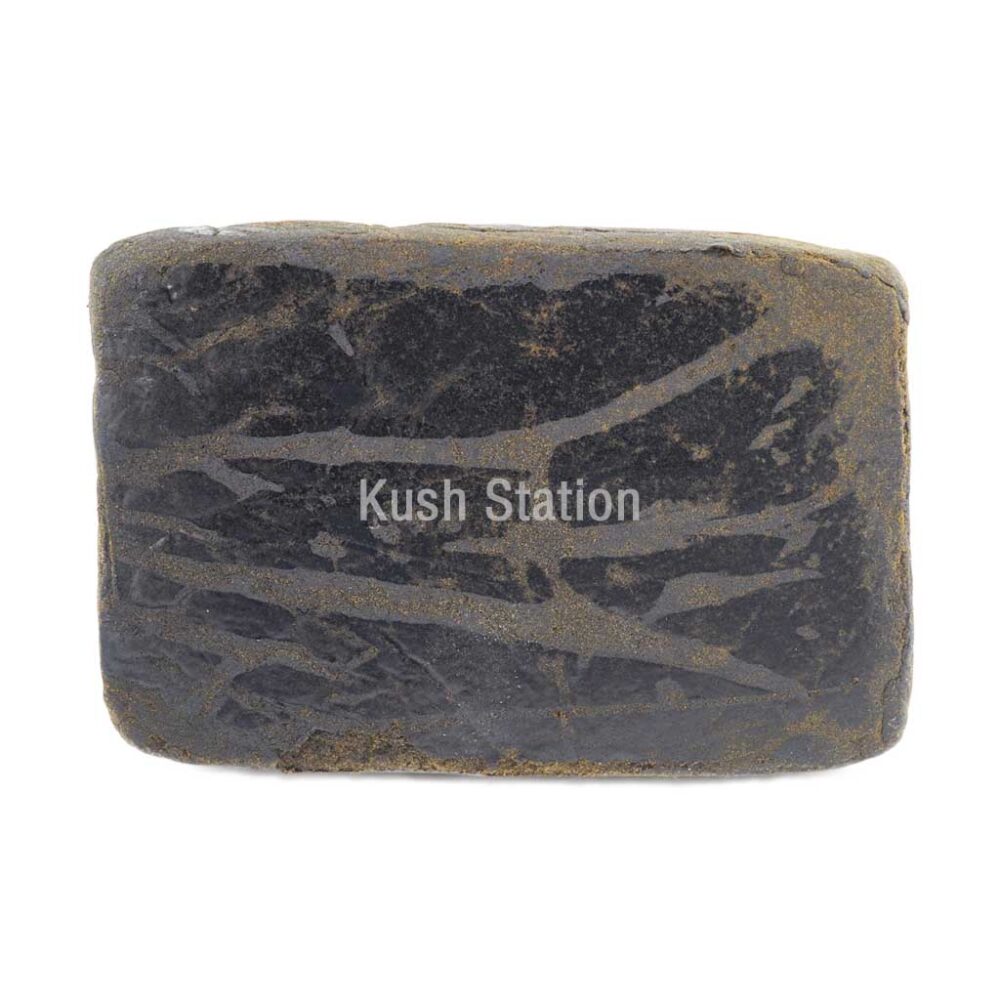
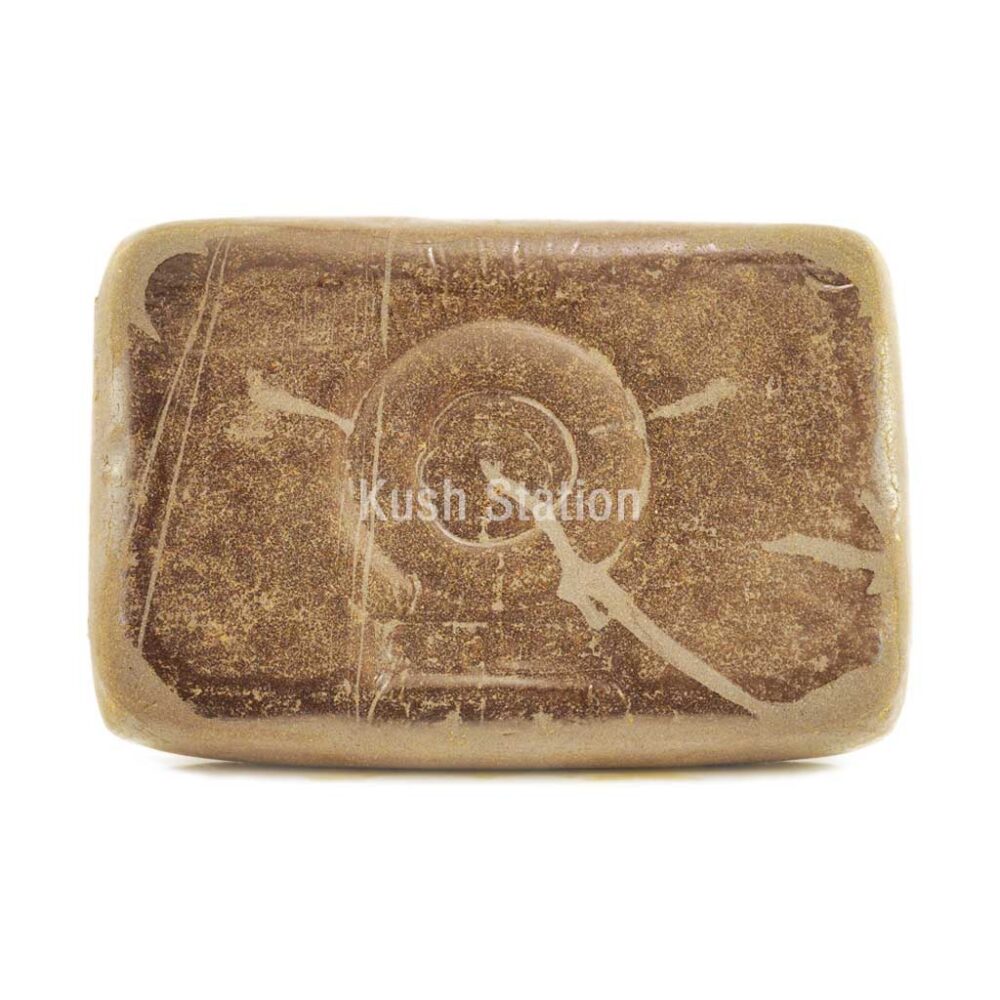
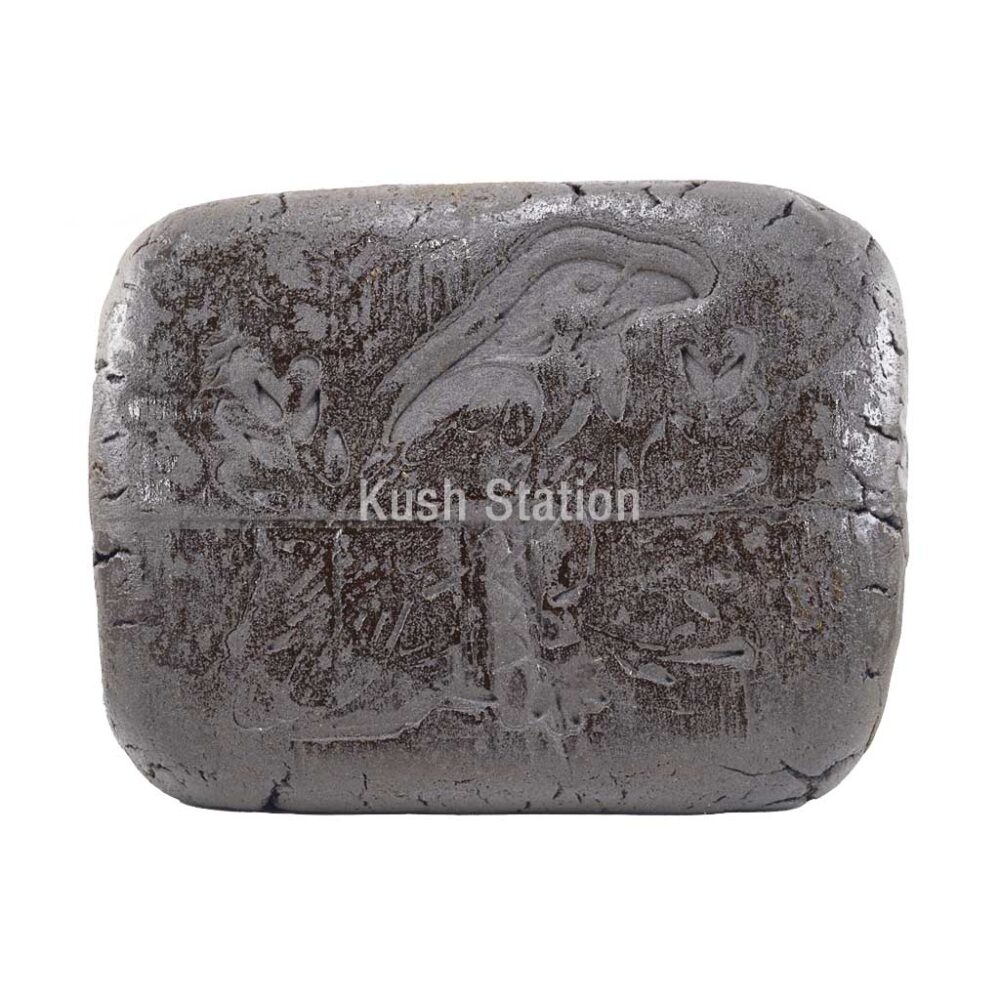
Hash is the old-school classic. Made by separating trichomes from the plant material through sieving or ice water, hash can range from a dry, crumbly powder to a soft, pliable brick. In Canada, hash has seen a renaissance thanks to modern solventless extraction techniques that preserve the full spectrum of cannabinoids and terpenes. A good nug run hash, made from the trichomes of the best parts of the plant, is a treat for anyone who values flavor and a slow, even burn.
Live resin is something else entirely. It is made by freezing freshly harvested cannabis plants and then using a solvent like butane or propane to strip the trichomes. Because the plant is never dried or cured, the resulting extract retains a vivid, almost grassy flavor profile that captures the plant's living character. Dabbing live resin is like tasting a strain in its purest form. The trade-off is that live resin is often more expensive and more volatile, it needs careful storage to keep its terpenes intact.
Shatter is a concentrate that gets its name from its glass-like consistency at room temperature. It is produced through a solvent-based extraction that yields a translucent, amber substance that can be snapped into pieces. Shatter has long been a staple of the Canadian cannabis market because of its stability and high potency. It is easy to handle, stores well, and delivers a consistent dose every time. For many users, shatter is the workhorse concentrate, reliable, potent, and affordable.
Budder, on the other hand, is the texture queen. It is a whipped, creamy concentrate with a consistency similar to softened butter. Budder is made by agitating the extract during the purging process, which introduces air and creates a smooth, spreadable product. It is less stable than shatter, it can separate if stored too warm, but its ease of use and rich flavor make it a favorite among dabbing fans. Budder is often the go-to choice for those who want a product that melts evenly on the nail and delivers a full, terpene-forward hit.
The Role of an Online Cannabis Store
Navigating this landscape can be overwhelming, which is where a well-curated online cannabis store becomes invaluable. A site like Kush Station, for example, organizes its concentrates by type, potency, and price, making it easy to compare products without having to decipher lab reports on your own. The best part is the ability to read product descriptions, check potency numbers, and see what other users have said, all from the comfort of your home.
Buying concentrates online also gives you access to a wider variety than most brick-and-mortar stores can stock. A physical shop in a small town might carry two or three types of shatter and a few grams of hash. An online store can offer dozens of options from multiple producers, each with its own extract method and strain profile. This is especially important for medical users who rely on consistent potency and specific cannabinoid ratios.
Legal Framework and Quality Control
The Cannabis Act has been a double-edged sword for the concentrate market. On one hand, it provides a clear regulatory path for producers to operate legally, which has opened the door for investment and innovation. On the other hand, the patchwork of provincial regulations, particularly around packaging, marketing, and retail, has created friction. In British Columbia, for instance, the rules around in-store sampling and product displays are still evolving, which pushes many consumers toward online sources.
Health Canada requires all legal cannabis products to undergo third-party testing for potency, pesticides, and contaminants. This means that when you buy a gram of live resin from a licensed producer, you can trust the label. The same cannot be said for the legacy market, where potency and purity were always a gamble. The shift to legal, tested products has been a major driver of the concentrate boom in the Canadian cannabis market.
That said, regulation also adds cost. Testing, licensing, and compliance fees get passed down the supply chain, which is why legal concentrates often carry a higher price tag than their unregulated counterparts. For many users, the peace of mind is worth it. For others, the price difference can be a barrier, which is why a well-priced option like a simple hash or a budget shatter can be a smart entry point.
Dabbing and Solventless Extraction
Dabbing has become the method of choice for consuming concentrates, and for good reason. A dab rig, essentially a water pipe with a heated nail or banger, vaporizes the concentrate at a controlled temperature, releasing the full profile of terpenes and cannabinoids without burning them. The result is a cleaner, more flavorful hit that uses less material than a joint or a bowl. For anyone serious about taste, dabbing is the way to go.
Solventless extraction is the gold standard for purists. Methods like rosin pressing or ice water hash use only physical separation, heat, pressure, or cold, to isolate the trichomes. No solvents, no residual chemicals, just pure cannabis resin. The downside is yield: solventless methods produce less extract per gram of plant matter, which drives up the price. But for those who prioritize purity, the cost is justified. Many Canadian producers now offer solventless lines, and they are among the most sought-after products in the online cannabis store.
Looking Ahead: The Future of Cannabis Canada
As the cannabis canada market continues to evolve, I expect concentrates to take an even larger share of the pie. The combination of higher potency, better flavor, and more efficient consumption is hard to beat. We are already seeing innovations like all-in-one dab pens and portable e-rigs that make dabbing as easy as puffing on a vape. The technology is catching up with the product, which will only broaden its appeal.
Another trend worth watching is the rise of CBD-dominant concentrates. While THC has always been the star, more users are seeking balanced or CBD-heavy options for daytime use or therapeutic purposes. A good live resin with a 1:1 THC-to-CBD ratio can offer the entourage effect, the synergy between cannabinoids, without overwhelming psychoactivity. This is a segment I expect to grow as the cannabis canada market matures and diversifies.
Finally, the role of education cannot be overstated. A new user walking into a dispensary or browsing an online store sees terms like "nug run," "solventless extraction," and "terpenes" and may feel lost. Producers and retailers who invest in clear, honest communication will win loyalty. A simple guide to concentrate types, a comparison of potency and price, or a video on how to dab, these are the tools that build trust. And in a market that is still finding its footing, trust is everything.
The cannabis canada landscape is rich with opportunity, and concentrates are leading the charge. Whether you are a hash traditionalist, a live resin explorer, or a shatter pragmatist, there has never been a better time to dive in. The key is to start slow, ask questions, and find the product that fits your style and budget. The market is big enough for everyone.